Road trips are all about freedom. But America's highways don't forgive you if you’re underprepared. Think about those potholes on Route 66 or summer heat warping belts in the Southwest.
A full checklist catches issues early, slashing stress. You might wonder: Do I really need all this? The short answer is yes. If your drive tops 500 miles, you definitely should use a checklist.
Skip it, and you're putting yourself at risk. So, start a week out, grab your keys, and let's dive in.
1. Check Tires
Tires grip the road when rain hits or gravel flies. Worn ones cause 11% of crashes, per NHTSA stats.
Head to
Hamilton Tire
for their tire sales & installation service. Their tires are one of their top offerings. They stock Goodyear options for every ride, from SUVs to sedans.
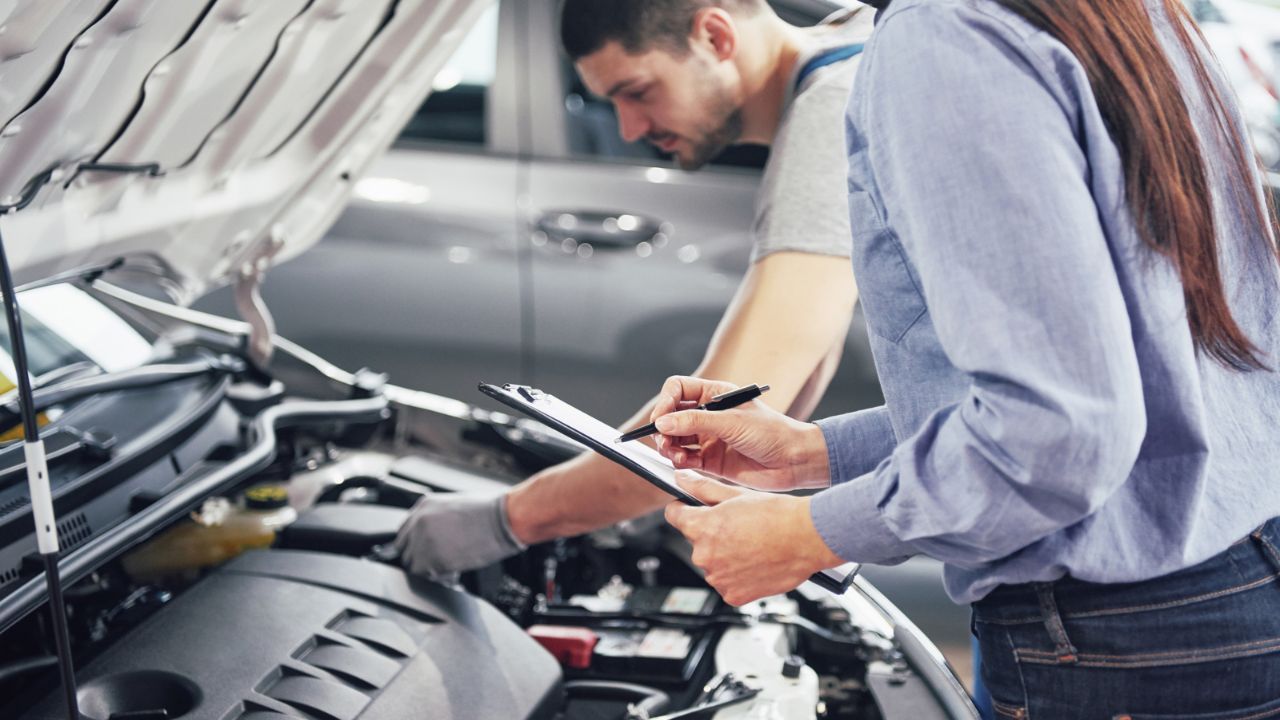
You can also get a tire check-up done from them before your trip. Get your tires inspected for tread depth, check tire pressure cold, and look for cracks or bulges.
2. Fresh Oil and Tune-Up
Old oil turns to sludge, starving your engine. A stale change hikes fuel use by 10% and risks seizures mid-desert.
Book
Hamilton's oil changes & tune-ups.
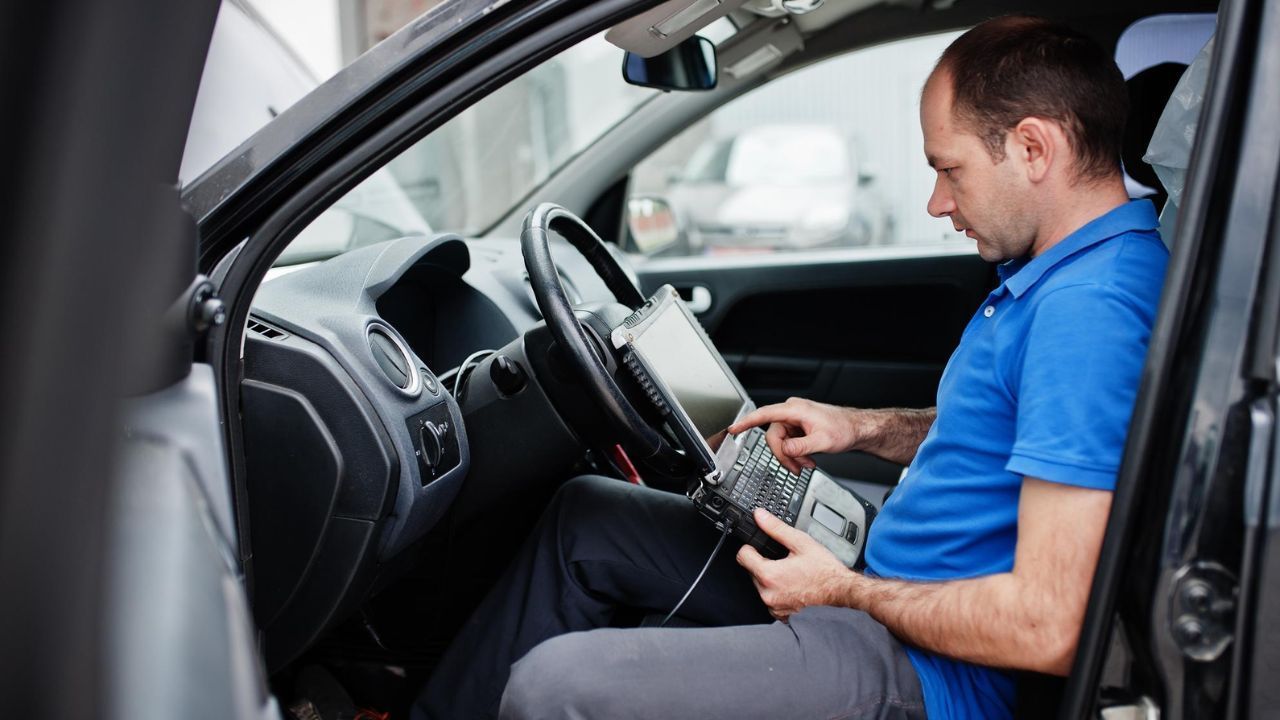
They do full preventive maintenance, checking fluids and filters. Digital records via their app let you track history.
You can also do it yourself. Just warm the engine, drain the oil, and refill with 5W-30 synthetic. However, we would recommend that you get it done by professionals as they spot leaks fast.
3. Brake Check
You do not need new brakes for every trip, but you do need confidence. If brakes squeal, grind, or feel soft, get them checked out. If your brakes are fading, this can lead to panic on downhill stretches.
Mountain roads, national parks, and steep descents in places like Colorado or California demand strong braking. A brake inspection before the trip gives you that confidence.
Replace pads every 30-50k miles. Additionally, brake pads that are under 3mm spell danger.
4. Battery Test to Avoid Dead Starts
Nothing kills momentum like a no-crank at a gas station. When you’re driving in the summer, heat can drain batteries fast. Almost 50% of car batteries fail in summer.
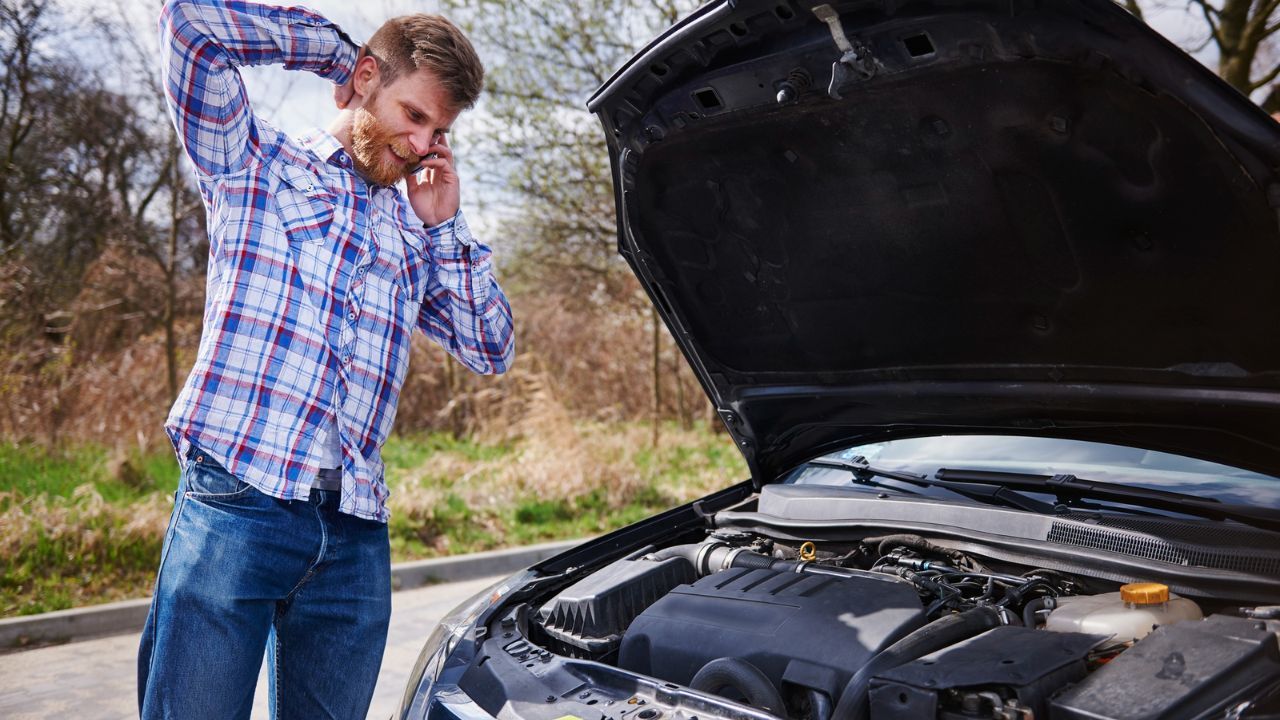
Even after getting it checked, ensure you have an emergency kit with jumper cables on hand. So, even if your car breaks down after the check-up due to battery drainage, you’ll have something to get your car started.
5. Fluids Top-Off: Coolant, Brake, Transmission
Low coolant overheats engines. If you ignore it, you could land in trouble in the middle of the road. Fluids keep your car alive. Low or dirty fluids cause breakdowns that are avoidable.
Check these before you leave:
- Engine oil
- Coolant
- Brake fluid
- Windshield washer fluid
- Transmission fluid, if accessible
Hot summers and mountain climbs push engines hard. Fresh fluids help your car through these conditions.
6. Emergency Kit
This is not about fear. It is about respect for distance. In the US, stretches of highway can be long and empty. This is the reason why you always need to be prepared for anything that’s unseen.
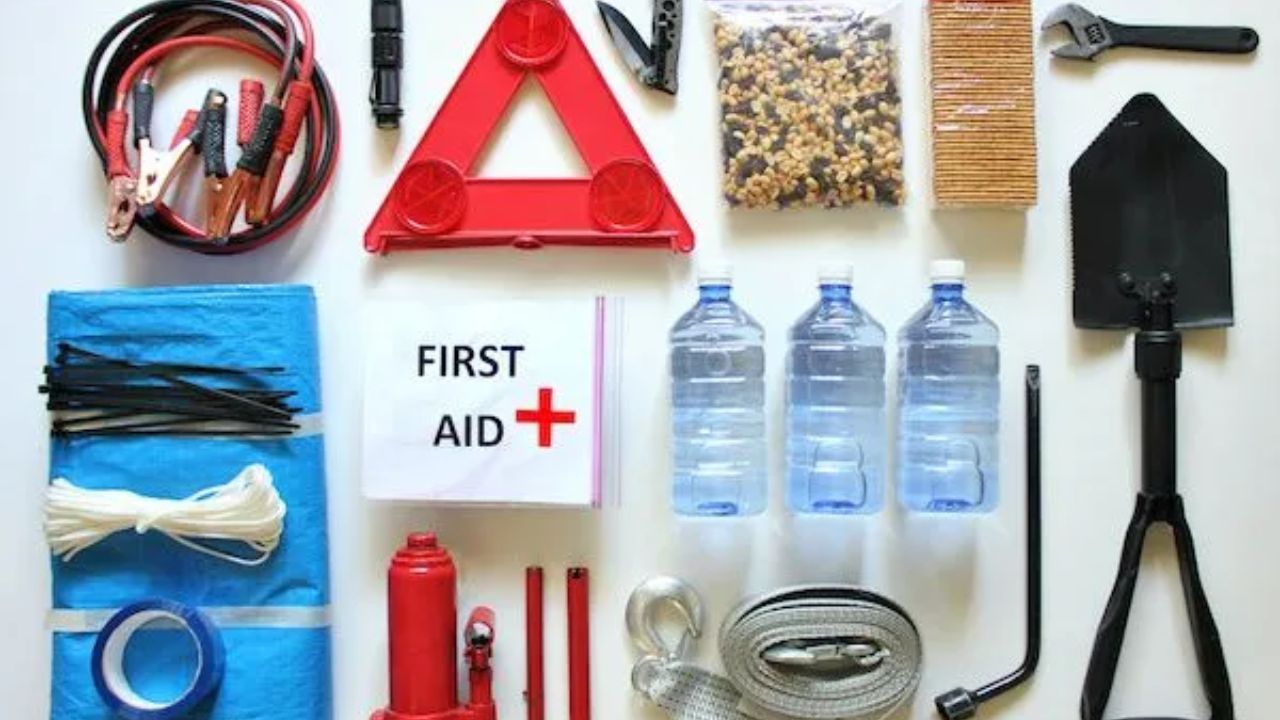
Pack an emergency kit with:
- Jumper cables
- Flashlight
- First aid kit
- Basic tools
- Water and non-perishable snacks
If you get stuck in rural Nevada with nothing nearby, water will matter to you more than anything else to you at that time.
7. Lights and Wipers for Night and Rain
lights and wipers are very important to check, especially when driving at night and in the rain.
When bulbs are burnt, they can blind you at dusk. On the other hand, if the wipers are not working properly, they may create streaks on the windshield and may smear your vision.
Before the trip, swap LEDs for brighter beams. Do check if they are legal in your state. Whenever possible, check your wipers and test high beams before the trip.
8. Alignment and Suspension for Straight Tracking
Have you experienced your car pulling left even when driving straight? This may be an alignment issue.
If your car pulls to one side or the steering wheel feels off-center, alignment is likely the issue. Poor alignment eats tires fast and makes long drives tiring.
On straight US highways, your car should track straight with minimal effort. If not, fix it before the trip. A wheel alignment service improves handling and fuel economy, both huge wins on long drives.
9. Fuel Up and Plan Stops
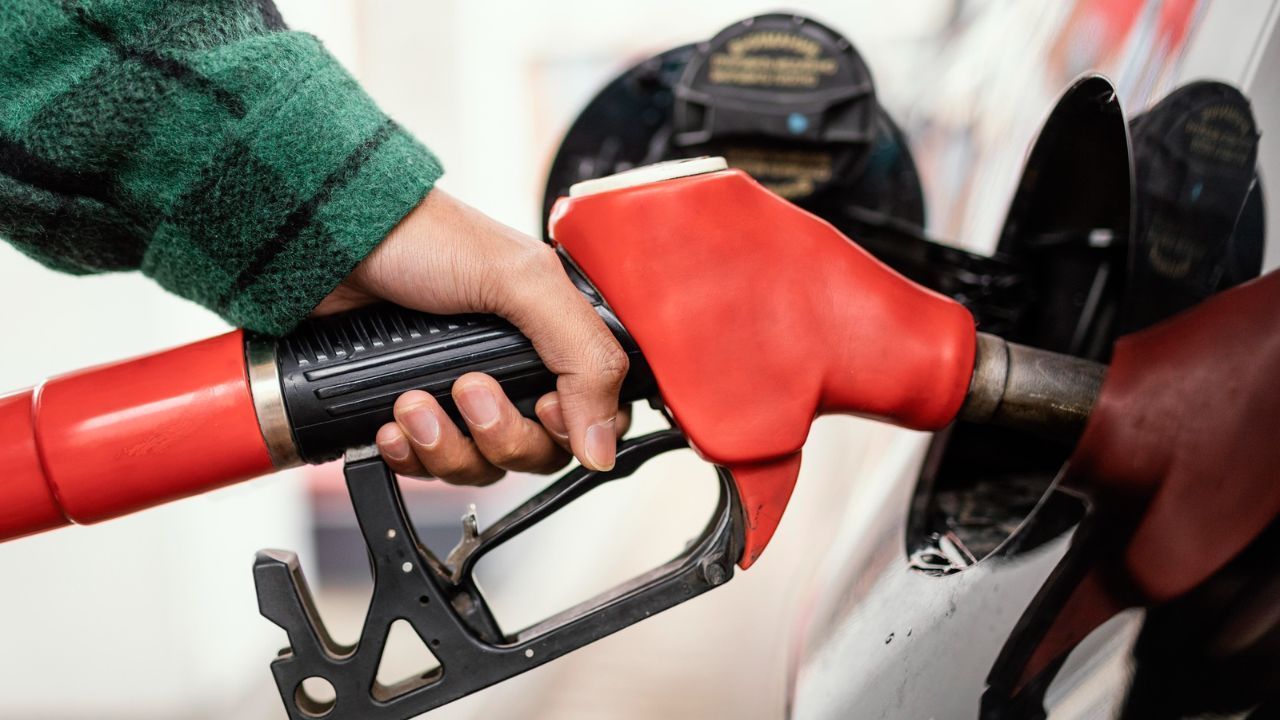
If it’s not a sudden road trip plan, you must fuel up and fill your car. You really wouldn’t want to end up stranded at night in the middle of the road without any fuel stations nearby. You can also carry extra fuel with you in case of emergencies.
Filling up the fuel beforehand will reduce any extra stress you might have while looking for fuel stations on the road.
10. Comfort for Long Hours
Long drives test more than your vehicle, they test you. Hours behind the wheel demand focus, patience, and physical comfort. When your body feels strained or distracted, your mind gets tired too. Comfort keeps drivers alert. Discomfort causes fatigue, and fatigue causes mistakes.
Think about:
- Sunglasses with UV protection
- A light blanket or lumbar support
- Refillable water bottles
Little comforts like these matter for a long drive on the road.
At the end of the day, the safest trips are the ones where you feel good behind the wheel. When your eyes aren’t strained, your back isn’t aching, and you’re properly hydrated, driving feels easier and more enjoyable.
11. Insurance and Docs in Glovebox
Carry your license, registration, and insurance card. Then back them up digitally.
Store photos of documents on your phone and cloud storage.
12. Final Walk-Around and Tech Sync
GPS is great until it is not. Some national parks and rural highways lose signal fast. Download offline maps in advance.
Keep a basic paper map in the glove box. It sounds old-school, but it works when phones do not. On the other hand, a dead phone on the road is stressful, and a phone sliding off the seat is dangerous.
Bring:
A sturdy phone mount- At least one fast car charger
- A backup cable
These small items reduce distraction and keep navigation smooth.
Road Trip Checklist Essentials: Pack Smart